Wobbi Logix
About
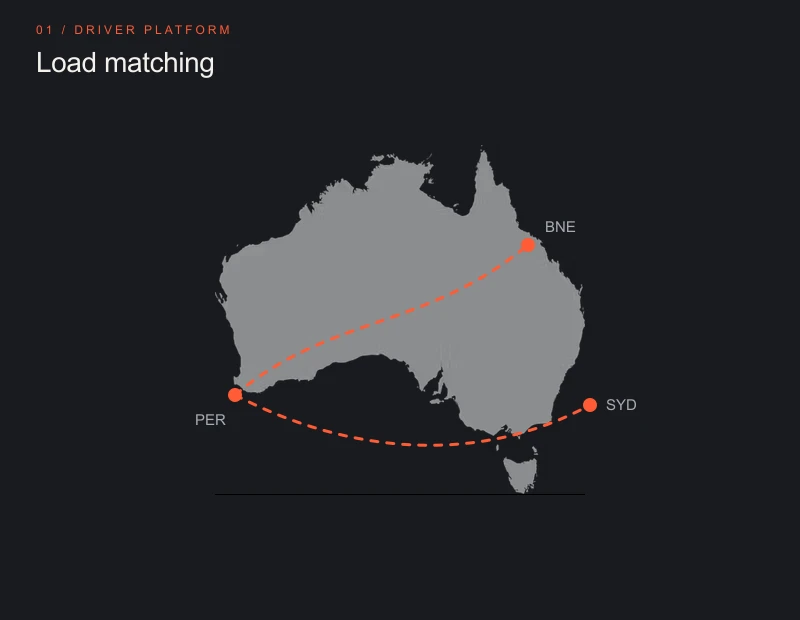
Wobbi Logix is a driver app for Australian carriers and fleets. The idea is that finding a load, running the trip and staying compliant should live in one place, not a dispatch inbox, a separate sat-nav and a paper work diary.
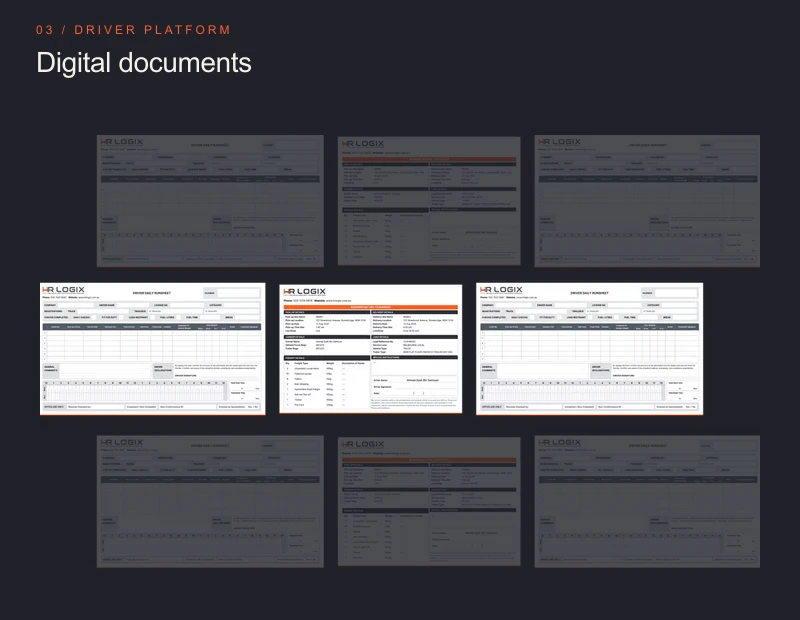
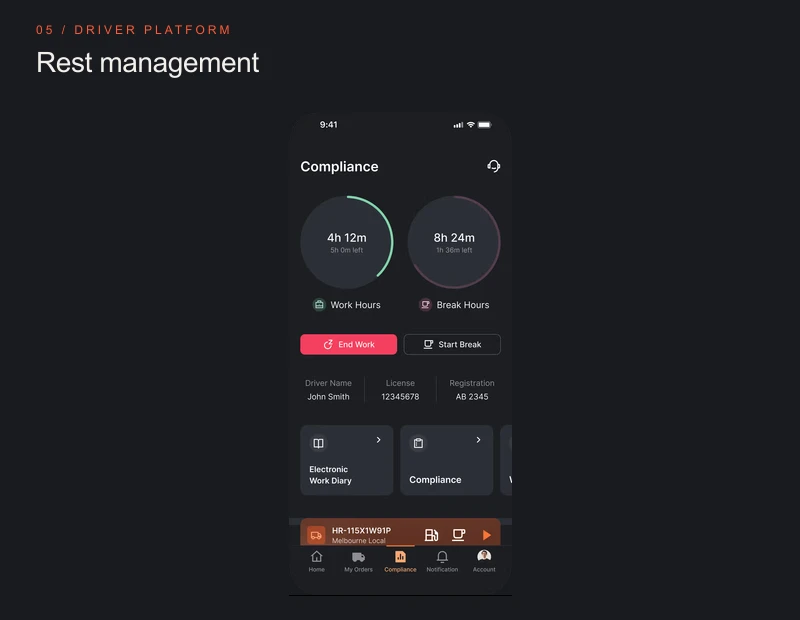
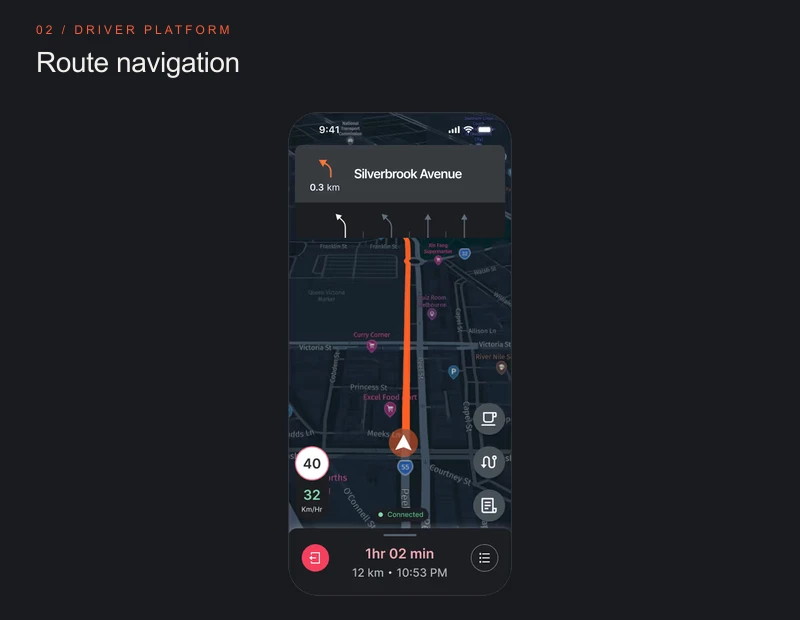
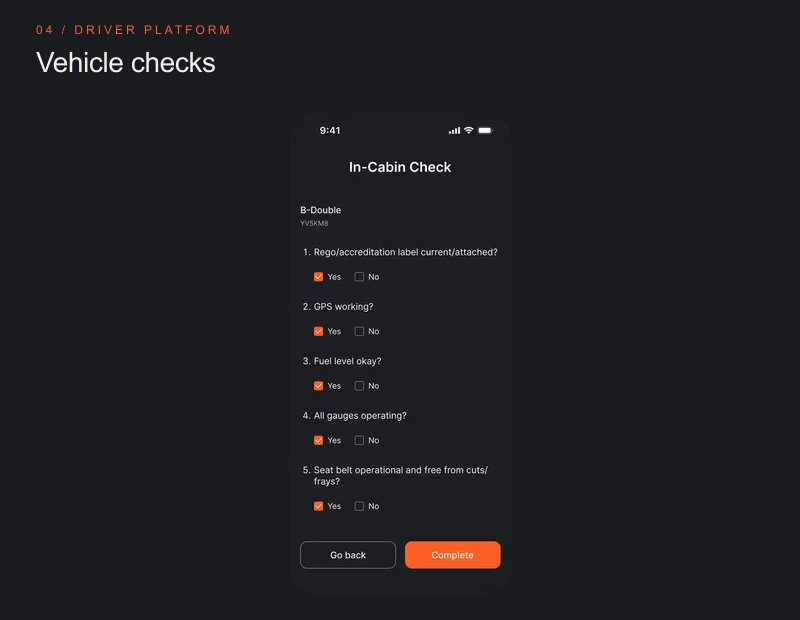
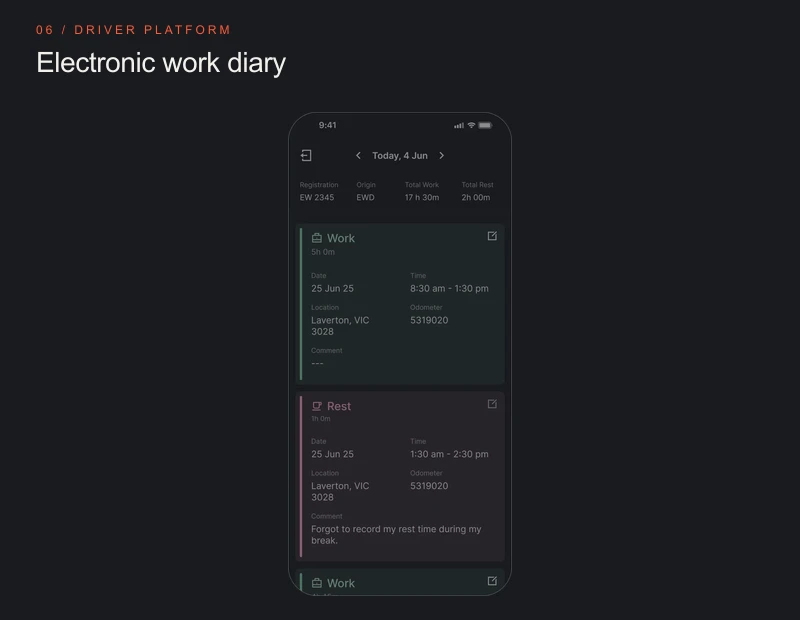
The app is the in-cab half of the platform. A driver matches freight to the truck, then handles the job: logistics routing, digital documents, pre-start checks, rest and an electronic work diary. The fleet sees the same trip without chasing updates.
Work
I was responsible for owning the iOS app and the backend architecture which drove the logistics fleet management and freight tracking.
On the app I built the native iOS client: SwiftUI, a coordinator for navigation, and a custom API client that refreshed auth on its own. GPS sat on HERE: live location, online and offline routing, and a websocket that kept driver logs moving even outside an active trip.
On the backend I owned the API the cab talked to (TypeScript, Node and Go), including session and token refresh, location ingest, and the push path so a load update could reach the driver.
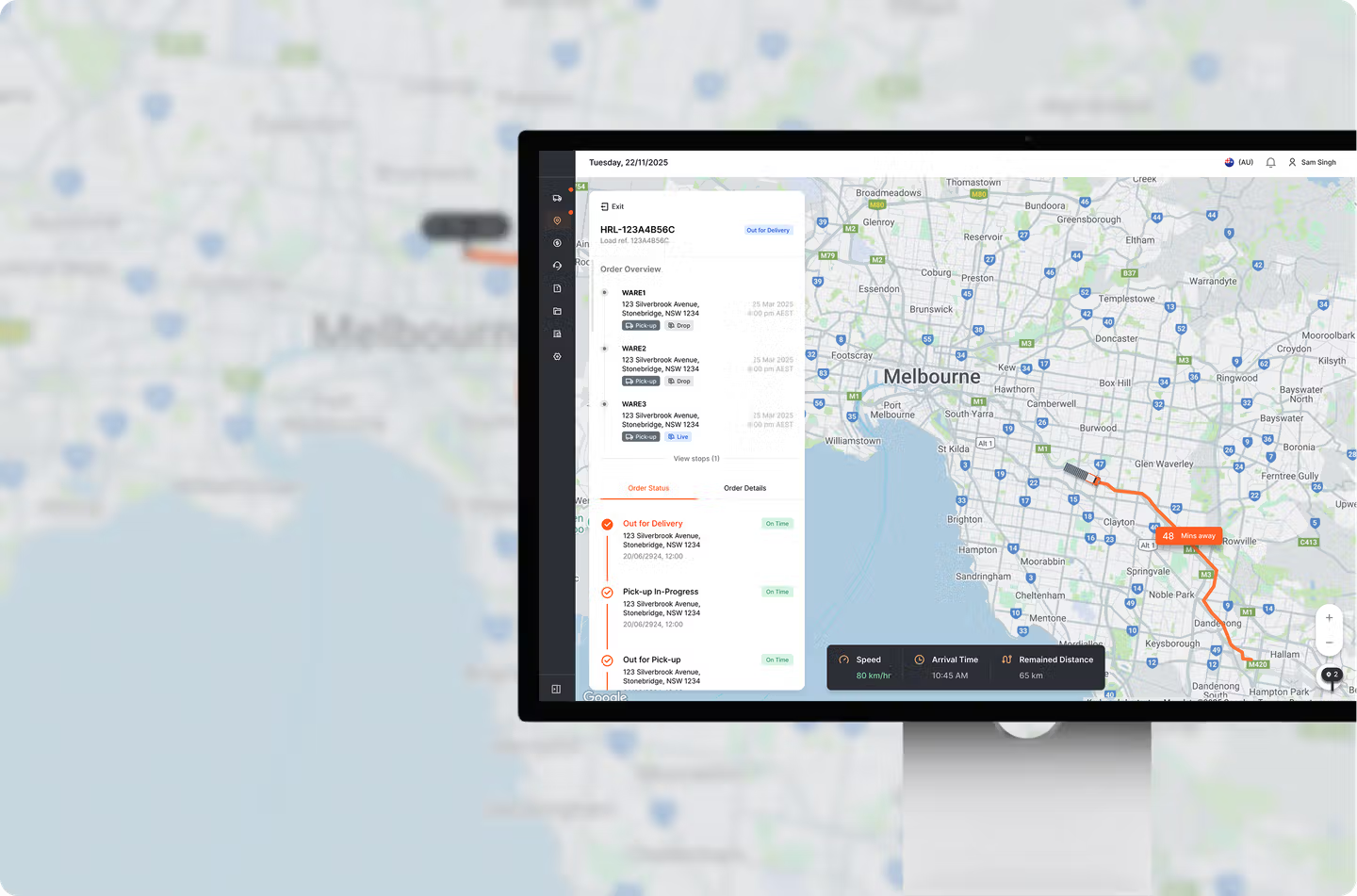
The same location stream powered a web dashboard. The iOS app pushed GPS over a websocket; Kafka carried the data in and out, and the dashboard used it to draw the driver's live position and route.
Notes
- Complexity visible to the user is product debt. Flatten flows until the next action feels obvious.
- An MVP is not a compressed roadmap. It is the smallest coherent product that can ship and teach you something.
- This is a bit opinionated: product urgency shaped the architecture. The aim was to move quickly while leaving room for sensible extension.
- Design around the user’s mental model, not the system’s data model. If two concepts feel the same in practice, present them as one.
Under the hood
Swift · SwiftUI · Combine · Android · TypeScript · Node · Go · Kafka · HERE SDK · Factory · Firebase
Artefacts